
Cavity Wall Installation in Nepal: Benefits, Process & Expert Guide for Stronger Homes
The Smart Choice for Modern Home Construction in Nepal
When it comes to building a home that truly stands the test of time, the foundation of your decision-making should go beyond aesthetics. In Nepal's dynamic construction landscape — shaped by monsoon rains, seismic activity, and rising energy costs — cavity wall installation has emerged as one of the most reliable and forward-thinking solutions for homeowners and builders alike.
Whether you're planning a brand-new build or upgrading an existing structure, understanding the full scope of cavity wall benefits, the step-by-step installation process, and choosing the right construction partner can make all the difference. This guide covers everything you need to know about cavity walls in Nepal and why Expert Sewa Home Construction Company remains the most trusted name in the industry.
What Is a Cavity Wall? Understanding the Basics
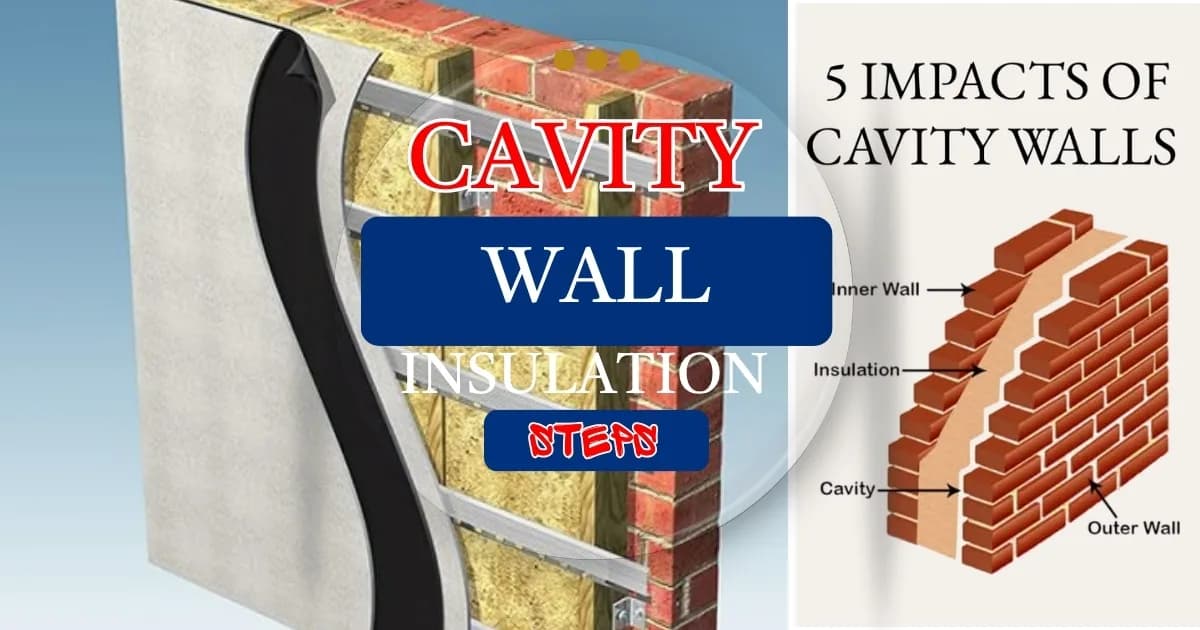
A cavity wall is a dual-layer wall system comprising two separate structural skins — an inner wall and an outer wall — divided by a deliberate air gap known as the cavity. This seemingly simple design carries profound advantages for both energy performance and structural durability.
In the context of home construction in Nepal, where climate conditions vary drastically from the Terai plains to the hilly regions and Himalayan zones, a cavity wall acts as a smart thermal and moisture barrier. The enclosed air gap — typically ranging from 50mm to 100mm — is filled with high-performance insulation materials to dramatically cut down heat loss, dampness, and noise infiltration.
As Nepal's construction industry continues to grow at an accelerating pace, cavity wall technology is quickly transitioning from a luxury upgrade to a near-essential building standard for quality home construction.
Why Cavity Walls Are a Game-Changer for Nepalese Homes
The benefits of installing a cavity wall in Nepal go far beyond simple thermal comfort. Here's a detailed look at why this building method is gaining rapid popularity among homeowners, architects, and contractors across the country:
1. Superior Energy Efficiency
One of the most compelling reasons to invest in cavity wall construction is the significant improvement in your home's energy efficiency. By minimizing heat transfer between the interior and exterior, cavity walls maintain a stable indoor temperature—keeping your home cooler during the hot summers and warmer during cold winter months.
In a country like Nepal, where many households depend heavily on heating and cooling appliances, this translates directly into lower electricity bills and reduced energy consumption. Over time, the savings you accumulate can easily offset the initial installation cost, making it one of the smartest long-term investments in residential construction.
2. Reinforced Structural Integrity
Nepal lies in one of the world's most seismically active zones. This geological reality makes structural robustness a non-negotiable priority in any home construction project. Cavity walls deliver exactly that.
The dual-wall design distributes structural loads more evenly, while the cavity itself acts as a pressure buffer—absorbing stress and reducing the risk of wall cracking or collapse during tremors. Combined with high-quality wall ties that anchor both skins together, a properly built cavity wall adds a meaningful layer of earthquake resilience to your home.
3. Effective Moisture and Damp Control
Nepal's monsoon season is intense and prolonged, bringing with it the constant threat of moisture seeping into walls, causing dampness, mold growth, and long-term structural degradation. Cavity walls address this directly.
The air gap between the inner and outer walls acts as a natural drainage channel, redirecting moisture downward and away from the interior. When combined with strategically placed weep holes at the base of the cavity, this system ensures that no water is allowed to accumulate inside the wall structure — a critical feature for moisture-resistant home construction in Nepal.
4. Effective Sound Insulation
Living in urban Nepal — particularly in fast-growing cities like Kathmandu, Pokhara, and Biratnagar — means dealing with increasing levels of noise pollution from traffic, markets, and construction activity. Cavity walls provide a surprisingly effective solution.
The air-filled cavity, especially when packed with mineral wool or acoustic insulation, significantly dampens the transmission of external noise. The result is a calmer, quieter indoor environment — a real quality-of-life improvement for families, remote workers, and anyone who values peace at home.
Step-by-Step Guide to Cavity Wall Installation in Nepal
Understanding the installation process helps homeowners make informed decisions, supervise contractors effectively, and ensure quality at every stage. Here is a comprehensive, easy-to-follow breakdown of the cavity wall installation process:
Step 1 — Preparation and Planning
Every successful construction project begins with meticulous planning. Before a single brick is laid, your building plans must clearly incorporate the additional space required for the cavity. This step involves:
Reviewing and complying with local building codes in Nepal
Obtaining all necessary construction permits from local authorities
Deciding on cavity width based on insulation needs and structural design
Sourcing high-quality materials suited to Nepal's climate and terrain
Proper planning at this stage prevents costly errors and delays later in the project.
Step 2 — Foundation and Inner Wall Construction
The inner wall is the load-bearing core of the cavity wall system. It must be constructed on a solid, level foundation capable of supporting the full weight of both walls and the roof structure above.
Given Nepal's seismic vulnerability, it's critical to use earthquake-resistant materials and reinforcement techniques during this phase. Concrete blocks or high-grade bricks with properly mixed mortar are commonly recommended for inner wall construction in Nepal.
Step 3 — Creating the Cavity
The cavity is the defining feature of this wall system. The gap between the inner and outer walls must be carefully maintained at a consistent width — typically 50mm to 100mm — throughout the entire wall height.
Maintaining this uniform gap ensures:
Even insulation coverage without thermal bridging
Consistent structural performance across the wall
Proper moisture drainage without blockages
Wall ties are inserted at this stage to connect both skins and keep the cavity gap stable during and after construction.
Step 4 — Outer Wall Construction
With the inner wall and cavity framing in place, construction of the outer wall begins. This wall is typically built using bricks, concrete blocks, or stone — materials that are locally available across Nepal and proven to perform well in its varied climates.
The outer wall must be:
Tightly bonded using quality mortar
Secured to the inner wall via stainless steel or galvanized wall ties
Placed at regular vertical and horizontal intervals for maximum strength and stability
The outer wall is your home's first line of defense against the elements, so quality here is non-negotiable.
Step 5 — Installing Insulation
This is where the cavity wall truly earns its reputation for energy efficiency. Once both walls are up, insulation material is carefully installed within the cavity. Common insulation options used in Nepal cavity wall construction include:
Rigid foam boards — Lightweight and moisture-resistant, ideal for humid regions
Mineral wool — Excellent for both thermal and acoustic insulation
Polyurethane foam injection — Suitable for retrofitting existing cavity walls
The insulation should be installed evenly with no gaps to prevent thermal bridging, which would compromise the wall's overall performance.
Step 6 — Moisture Control Measures
Given Nepal's high annual rainfall and humidity levels, moisture management is an integral part of any cavity wall installation. Key measures include:
Installing weep holes at the base of the outer wall to allow trapped moisture to drain freely
Using a damp-proof course (DPC) at wall base level to prevent rising damp
Applying water-resistant sealants around window and door openings where cavities terminate
These precautions ensure your home stays dry, structurally sound, and mold-free for decades.
Step 7 — Finishing Touches
With the cavity wall fully constructed, the final phase involves surface finishing. Homeowners in Nepal typically choose from:
Traditional plaster finishes that complement local architectural aesthetics
Stone or brick cladding for a rugged, culturally rooted appearance
Textured renders for a contemporary, modern look
The finishing stage not only enhances visual appeal but also adds an additional protective layer to the outer wall surface.
Why Expert Sewa Home Construction Company Is Nepal's Best Cavity Wall Builder
Choosing the right construction partner is just as important as choosing the right building method. Expert Sewa Home Construction Company has built a reputation as the best cavity wall builder in Nepal — and for very good reason.
What Sets Them Apart | Details |
Years of Experience | Deep expertise in Nepal-specific construction challenges and standards |
Premium Quality Materials | Only top-grade bricks, insulation, and ties used in every project |
Customized Approach | Solutions tailored to each home's unique design and requirements |
Client-Centered Service | Transparent communication from consultation through final inspection |
Code Compliance | Full adherence to Nepal's national building codes and seismic safety standards |
Their team of seasoned professionals brings together engineering knowledge, hands-on craftsmanship, and a genuine commitment to delivering homes that are safe, efficient, and built to last — even under Nepal's most demanding climate conditions.
Final Thoughts: Build Smarter with Cavity Walls
Investing in cavity wall installation in Nepal is not just a construction upgrade — it's a commitment to building a home that is safer, more energy-efficient, more comfortable, and more resilient to Nepal's unique environmental challenges. From battling monsoon moisture and earthquake risk to cutting energy bills and reducing noise, the benefits are both wide-ranging and long-lasting.
By following this step-by-step installation guide and partnering with the experienced team at Expert Sewa Home Construction Company — the most trusted cavity wall construction company in Nepal — you can confidently move forward knowing your home is in expert hands.
Ready to get started? Contact Expert Sewa Home Construction Company today for a personalized consultation and take the first step toward a stronger, smarter, and more energy-efficient home.